Source Stainless Steel Meat Rack for Grilling, Smoking, and Roasting
Explore 30 stainless steel meat rack options for grilling, smoking, and roasting. Compare heat-resistant, non-stick, and easily cleaned designs from Chinese manufacturers. Find OEM customization and FDA/LFGB tested models to suit your cooking needs; compare the available evidence and request quotations based on your requirements.
Key considerations
Products List




Comprehensive Sourcing Guide
Stainless Steel Meat Rack Sourcing Guide
Product Scope and Observed Listing Signals
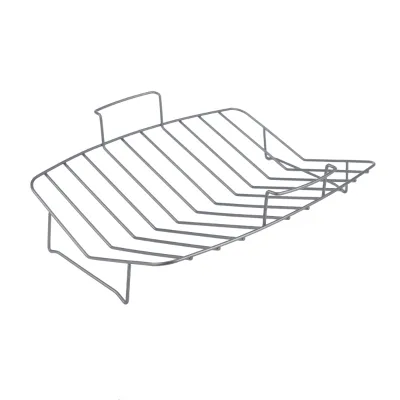
The current market for stainless steel meat racks features a diverse array of models, primarily originating from China, with observed product counts indicating a robust supply chain. Listings reveal significant variation in physical dimensions, ranging from compact units measuring approximately 18.5x18.5x8 cm to larger structures exceeding 45 cm in length. Buyers should note that while the core material is consistently identified as metal, specific grades such as SS304 are explicitly mentioned for certain models, suggesting a tiered quality structure within the category. This diversity allows procurement teams to select racks that fit specific storage or cooking environments, from small kitchen drawers to large commercial barbecue setups.
Observed listing signals highlight key functional attributes that drive purchasing decisions, including heat resistance, non-stick properties, and ease of cleaning. Many products are marketed with OEM customization options, allowing brands to apply their logos and specific packaging requirements, such as color boxes, sleeves, or hang tags. The presence of features like "Easily Cleaned" and "Reusable" aligns with modern sustainability trends and commercial hygiene standards. Additionally, some models are designed for specific usage environments like cooking or barbecue, with some explicitly noting charcoal compatibility, which helps buyers narrow down selections based on their intended operational context and end-user needs.
Technical Specifications to Verify
When evaluating technical specifications, buyers must prioritize dimensional accuracy and material grade to ensure compatibility with existing kitchen infrastructure or storage solutions. The observed standard sizes vary widely, from small 13.3x2x13 cm racks to larger 39x9x5 cm units, requiring precise verification against storage constraints. It is critical to confirm whether the metal construction utilizes SS304 or other stainless steel grades, as this directly impacts corrosion resistance and durability. Buyers should request detailed technical drawings or physical samples to verify that the stated dimensions, such as 23.5x20.5 cm or 31x27x4.5 cm, match the actual product, especially when dealing with custom or OEM orders where tolerances may vary.
Surface finishing and weight are also pivotal technical factors that influence both performance and logistics. Some models are specified as "Not Coated," relying on the inherent properties of the metal, while others feature non-stick coatings, which require careful verification to ensure food safety and longevity. Net weights observed range from 320g to 720g, affecting shipping costs and handling ease. Buyers should verify the diameter of any structural components, such as 4mm rods, to ensure adequate strength for holding heavy meats. Confirming these specifics prevents mismatches between expected and delivered performance, particularly in high-heat cooking applications where structural integrity is paramount.
Compliance and Safety Documentation
Compliance with food safety standards is non-negotiable for stainless steel meat racks, particularly those intended for direct food contact or high-temperature cooking. Buyers must verify that suppliers provide valid test reports from recognized authorities, such as FDA or LFGB certifications, which confirm the material's safety for culinary use. These documents are essential for mitigating legal risks and ensuring that the metal does not leach harmful substances into food during heating or storage. Procurement teams should request these certificates upfront and cross-reference them with the specific model numbers to ensure that the certification applies to the exact product variant being purchased, rather than a generic category approval.
In addition to material safety, buyers should assess the environmental and operational compliance of the products. Many listings highlight features like "Reusable" and "Environmental Protection," which may align with corporate sustainability goals or local regulations regarding waste reduction. However, these claims should be substantiated by the supplier through lifecycle assessments or material safety data sheets. For products used in barbecue or cooking environments, verifying heat resistance capabilities is crucial to prevent deformation or safety hazards. Ensuring that all compliance documentation is current and model-specific protects the buyer from regulatory penalties and enhances brand trust among end consumers who prioritize safety and sustainability.
Cost Drivers and Commercial Terms
Cost structures for stainless steel meat racks are influenced by material grades, customization levels, and order volumes. The observed price range of $0.23 to $380 USD reflects significant variation based on size, complexity, and whether the product includes non-stick coatings or specialized finishes. Buyers should anticipate higher costs for SS304 models or those with custom OEM branding, as these require additional processing and quality control measures. Minimum Order Quantities (MOQs) typically range from 2 to 2000 units, allowing flexibility for both small-scale retailers and large distributors. Understanding these cost drivers helps in budgeting accurately and negotiating favorable terms based on volume commitments and customization requirements.
Commercial terms, including lead times and packaging, also impact the total cost of ownership. Standard lead times are observed at around 35 days, with sample times averaging 7 days, which must be factored into inventory planning and supply chain schedules. Packaging options vary from simple polybags to elaborate color boxes with hang tags, affecting both product protection and retail presentation costs. Buyers should clarify who bears the cost of samples and tooling for custom designs, as these can add significant upfront expenses. Transparent communication regarding these terms ensures that hidden costs are minimized and that the procurement process aligns with financial and operational timelines.
Supplier Qualification and Quality Control
Supplier qualification is critical to ensuring consistent quality and reliable delivery of stainless steel meat racks. Buyers should verify the supplier’s manufacturing capabilities, including their experience with stainless steel fabrication and surface finishing processes. Given the observed customization options, it is essential to confirm that the supplier has the infrastructure to handle OEM requests, such as logo printing and custom packaging. Requesting references or case studies from previous clients can provide insight into the supplier’s reliability and ability to meet specific quality standards. Additionally, assessing their responsiveness and communication efficiency during the sampling phase can indicate their overall professionalism and commitment to customer satisfaction.
Quality control measures must be rigorously enforced throughout the production process. Buyers should implement pre-shipment inspections to verify that products meet the specified dimensions, material grades, and finish requirements. For models with non-stick coatings, testing for adhesion and durability is crucial to prevent premature wear. Inspections should also check for structural integrity, ensuring that racks can withstand the weight of meats without bending or breaking. Establishing clear quality acceptance criteria and conducting random sampling during production can help identify and rectify defects early. This proactive approach minimizes the risk of receiving substandard products and ensures that the final goods meet the buyer’s expectations and end-user needs.
Long-Term Procurement Checks
Long-term procurement success depends on establishing a robust supplier relationship and continuous performance monitoring. Buyers should conduct regular audits of supplier quality metrics, including defect rates, on-time delivery percentages, and responsiveness to issues. Maintaining open communication channels allows for timely resolution of any problems that arise during production or delivery. It is also advisable to periodically review market trends and technological advancements in stainless steel fabrication to ensure that the sourced products remain competitive and compliant with evolving standards. Building a diversified supplier base can mitigate risks associated with single-source dependencies and provide flexibility in case of supply chain disruptions.
Sustainability and innovation should be integral to long-term procurement strategies. Buyers should encourage suppliers to adopt eco-friendly practices and materials, aligning with global trends toward environmental responsibility. Exploring opportunities for product innovation, such as improved heat resistance or enhanced non-stick technologies, can add value to the procurement portfolio. Regularly updating product specifications and requirements based on feedback from end-users ensures that the sourced meat racks continue to meet market demands. By focusing on continuous improvement and strategic partnership, buyers can secure a reliable supply of high-quality stainless steel meat racks that support their business objectives and customer satisfaction goals.
FAQs
What materials are used for stainless steel meat racks?
These racks are primarily constructed from metal, with specific models utilizing Ss304 stainless steel for durability and corrosion resistance. The material choice ensures structural integrity during cooking applications. Some variants feature non-stick coatings to facilitate food release, while others remain uncoated for a natural finish. Buyers can select based on specific dietary or cleaning requirements.
Can I customize the logo on these meat racks?
Yes, OEM logo customization is available for these products. Manufacturers support branding efforts by applying custom logos to the metal racks. This service allows businesses to enhance product visibility and brand recognition. Buyers should coordinate design files with suppliers to ensure accurate placement and quality. Customization options help differentiate products in competitive markets.
What is the typical lead time for production?
The standard lead time for production is 35 days. This duration covers manufacturing, quality control, and preparation for shipment. Buyers should account for this timeline when planning inventory or promotional campaigns. Sample production typically requires only 7 days for evaluation. Early communication with suppliers helps align production schedules with specific delivery deadlines.
Are these racks easy to clean and maintain?
Yes, the racks are designed to be easily cleaned. Features such as non-stick surfaces and smooth metal finishes simplify washing and maintenance. This attribute reduces effort in kitchen environments and ensures hygiene standards are met. Reusable construction further supports long-term usability. Buyers benefit from reduced cleaning time and improved operational efficiency in commercial or home settings.
What certifications do these products meet?
Products are tested against FDA and LFGB standards. These certifications ensure compliance with food safety regulations in key markets. Buyers can verify that materials do not leach harmful substances during cooking. Adherence to these standards provides confidence in product safety. It is advisable to request test reports to confirm specific batch compliance with international requirements.
What packaging options are available for these racks?
Packaging includes color boxes, polybags, hang tags, and color sleeves. These options protect the metal racks during transit and enhance retail presentation. Buyers can choose packaging that aligns with their distribution channels. Custom packaging solutions may be available for bulk orders. Proper packaging ensures product integrity and supports branding efforts upon arrival at the destination.